
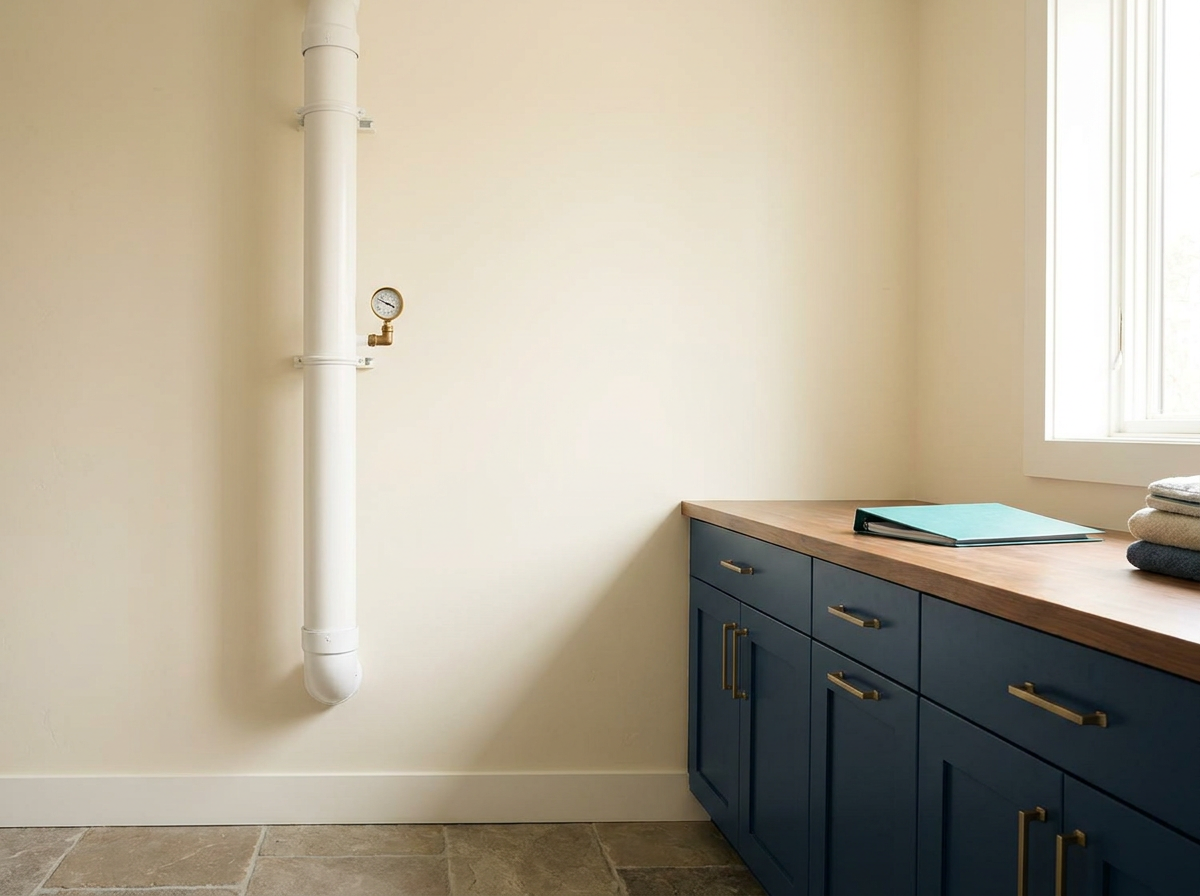
You’re getting ready to sell, and someone asks about radon. Maybe you tested years ago. Maybe there’s a mitigation pipe outside, but you’ve never looked closely at it. Or maybe you’ve lived in the house for twenty years without testing and now wonder, “Am I about to create a problem?” That’s the wrong question. The better one is: What do we know, what remains uncertain, and how might that uncertainty affect your sale? Selling a home with radon in Colorado calls for a clear plan—not panic, and definitely not a folder shoved to the back of a drawer.
Radon is a property condition, not a sales verdict
Radon is a naturally occurring radioactive gas that can enter homes from the ground. You can’t see or smell it, and long-term exposure poses a health risk. That deserves a serious response. It doesn’t automatically mean your house is unsellable, and it isn’t something a fresh coat of paint can politely distract buyers from.
In Boulder, Longmont, Lafayette, and across the northern Front Range, a buyer may ask about radon regardless of the home’s age or appearance. A finished basement can make the question feel more immediate, especially when it’s used as an office or bedroom. But an unfinished basement, crawl space, or slab foundation isn’t a reason to assume the issue doesn’t apply. Your neighbor’s result doesn’t establish yours, either.
The selling challenge is uncertainty. An unexplained test result can leave buyers imagining a bigger problem than the evidence supports. A documented condition with a credible response gives them something concrete to evaluate. That’s a different conversation.
Start with the file, not the fix
Before ordering work, gather what already exists. Sellers sometimes remember that “the radon was handled” when the actual record is an old test, an installation invoice, or a recommendation nobody followed up on. Those aren’t interchangeable. A system’s presence tells you equipment was installed; it doesn’t, by itself, establish current radon levels.
Put the records in date order. Notice where testing occurred, what conditions were required, and whether there was a test after mitigation. If the paperwork is incomplete, say so. Don’t turn a reasonable assumption into a confident claim in the listing.
- Previous radon test reports, including dates and testing locations.
- Mitigation installation records and the installer’s contact information.
- Post-installation test results and any service records.
- Equipment instructions and any warranty or transfer information.
Decide whether to test before buyers do
A pre-listing test can move a potential surprise into a period when you have more control over scheduling and decisions. That can matter if you’re coordinating a sale in Louisville with a purchase in Erie, or trying to avoid repair appointments during a move. It also involves cost and may identify an issue you need to address. Testing is information, not a promise that the sale will be easier.
Use a qualified radon professional to discuss the appropriate testing method and interpret the result against current public-health guidance. Follow the testing instructions. Opening windows or changing normal conditions to influence a reading undermines the information everyone needs. Short-term results also reflect a particular testing period; radon levels can vary.
Your buyer may still arrange an independent test. That doesn’t make your earlier test wasted money. It gives you a starting point and time to respond. Review known results and mitigation history with your listing broker so the sale follows current Colorado disclosure requirements. Not testing isn’t a strategy for making existing knowledge disappear.
Choose between doing the work and negotiating it
If testing indicates elevated radon, get a property-specific assessment and written proposal from a qualified mitigation professional. Avoid borrowing a neighbor’s cost estimate. Foundation layout, existing equipment, installation access, and the proposed system all matter. Ask how the work will be evaluated afterward and what ongoing operation or maintenance involves.
Handling mitigation before listing may reduce an unresolved concern and keep installation appointments out of the contract period. The tradeoff is that you manage and pay for the work before a buyer commits. If your goal is a cleaner path to closing, that may be worthwhile. It still doesn’t guarantee that a buyer will skip testing or accept every detail.
Leaving the work for negotiation can also be an option, provided the condition is disclosed and the terms are workable. A buyer might prefer control over the contractor and installation. Another may want completed work and follow-up testing before closing. A credit isn’t automatically equivalent to a completed repair, and financing can limit how credits are structured. Have the broker and lender confirm what fits the transaction.
Make the response easy to understand
A buyer shouldn’t need to become a radon detective to understand your house. Provide an organized record of testing, work completed, and follow-up results. Keep descriptions factual. “Mitigation system installed; records available” is more defensible than “radon-free.” One describes documented work. The other makes a sweeping claim that testing can’t support indefinitely.
Make the equipment accessible for inspection, leave operating instructions, and identify any unanswered questions before negotiations. If two tests differ, resist the urge to pick the friendlier number and dismiss the other. Ask a qualified professional to explain possible reasons and recommend an appropriate next step.
The right response depends on your timing, resources, and tolerance for unfinished business. Some sellers want the work handled before the first showing. Others need a transparent sale with the condition reflected in the agreement. Start with one useful task: pull the radon file and see whether it tells a complete story. Then decide what needs attention before a buyer is waiting for an answer.
Frequently asked
Can I sell my Colorado home if it has elevated radon?
An elevated result doesn’t automatically prevent a sale. It does create a condition that needs disclosure and a clear response. The buyer, contract terms, and any financing requirements will affect whether work is completed before closing or handled another way.
Should I test again if I already have a mitigation system?
Don’t assume the equipment alone answers the question. Review your latest test, installation records, and service history with a qualified radon professional. They can recommend appropriate testing and check whether the system needs attention.
Will fixing radon increase my sale price?
There’s no dependable dollar-for-dollar return to promise. The practical benefit may be reducing uncertainty and removing an unresolved condition from negotiations. Evaluate the expense against your goals, not an assumed price increase.
What if I’ve never tested my home for radon?
Start by distinguishing what you know from what you don’t. Discuss testing options with a qualified professional and disclosure obligations with your broker. The useful next step is getting a clear picture—not guessing from the house next door.