
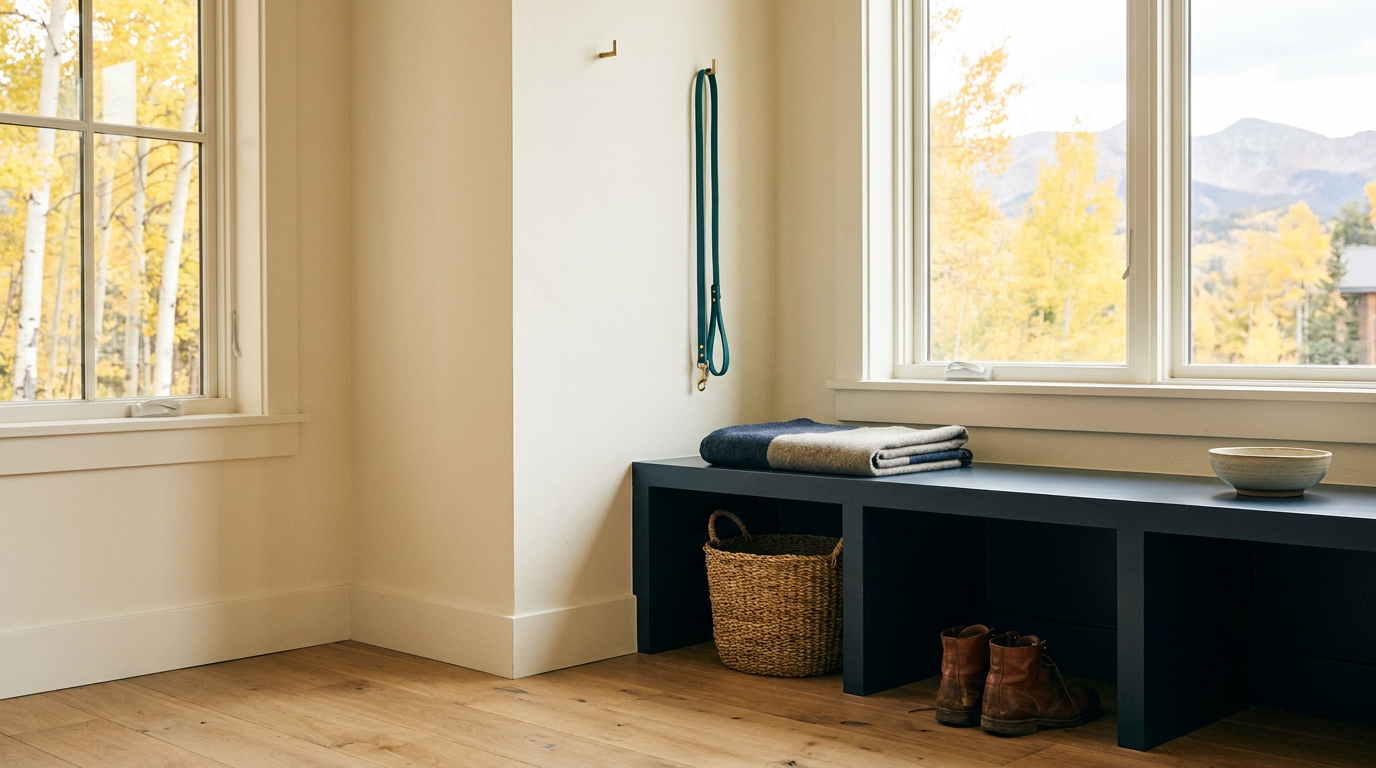
You can get the house ready. Getting the dog, two cats, and everyone’s work schedule ready for a Tuesday afternoon showing? That’s the part nobody puts in the listing presentation. Selling a home with pets creates a real decision: how much disruption can your household handle, and what access will buyers need? My answer isn’t to pretend no animal has ever lived there. It’s to build a workable showing plan before the listing goes live. Buyers need room to evaluate the house. Your animals need a safe routine. And you need a sale that doesn’t turn every notification into a small emergency.
Start With Your Calendar, Not the Carpet Cleaner
Before we talk about cleaning, I want to know what happens when someone requests a showing. Can you leave work? Does your dog travel comfortably? Can you reliably get your cat into a carrier? A plan that depends on you being available all day isn’t much of a plan if you work away from home.
The right amount of access depends partly on your priorities. If limiting disruption matters most, scheduled showing windows may make sense. If accommodating relocating buyers is important, you may want more flexibility. Neither choice is automatically wrong. But tight restrictions can mean missed visits, while unlimited availability can wear you out before an offer arrives.
Set the ground rules before launch, then reassess them against actual showing activity. A quiet calendar doesn’t always mean the price is wrong. Sometimes buyers simply can’t get through the door.
- Choose realistic showing hours and an advance-notice requirement.
- Name a backup person who can help if you’re unavailable.
- Decide where each animal will go, not just where the dog will go.
- Agree on how last-minute requests will be handled.
Let Buyers Look at the House, Not Manage Your Animals
Your dog may be delightful. A buyer still shouldn’t have to decide whether to open a gate, approach a crate, or keep a child away from a nervous animal. Even friendly pets can pull attention away from the rooms, layout, and condition. Some visitors also have allergies or are uncomfortable around animals. That isn’t a judgment on your household.
When practical, arrange for pets to be safely off-site during visits. That might mean a familiar sitter, a household member’s help, or an established daycare routine. An unfamiliar boarding arrangement introduced on launch day may create more trouble than it solves. Choose something that already works for the animal, and allow enough time for the showing to finish before returning.
If a pet must remain, discuss the setup with your agent in advance. Showing instructions should clearly identify any secured area and access restrictions. Don’t ask visiting agents to become pet handlers. And recognize the tradeoff: if buyers cannot inspect a bedroom, basement, or yard, they’re evaluating an incomplete house.
Fix the Evidence That Raises a Condition Question
There’s a difference between a dog bed and a damaged door. One says someone lives here with a dog. The other gives buyers a repair to think about. Focus your preparation on odor, cleanliness, and damage rather than trying to remove every trace of pet ownership.
Ask someone who doesn’t live in the home for an honest smell check. We get used to our own houses. Clean bedding, litter areas, upholstery, and flooring as appropriate for the materials. If an odor persists, identify its source before spending money on a cosmetic fix. Heavy fragrance doesn’t answer the question. It just adds another smell.
Along the Front Range, wet paws and tracked-in grit can undo a clean entry quickly. Keep washable mats and a small cleanup kit handy, then clear them from the path before a visit. Repair chewed trim or scratched surfaces where it makes sense, and keep the yard picked up. A worn patch of lawn isn’t necessarily a landscaping project. The goal is a cared-for property, not a fictional pet-free past.
Choose a Showing Rhythm You Can Actually Sustain
A concentrated block of appointments can reduce repeated loading, driving, and cleanup. More flexible individual appointments can accommodate buyers with limited availability. An open house may consolidate some visits, but it won’t necessarily replace private showings. Each approach solves a different problem.
For a seller in Longmont or Lafayette who works from home, predictable appointment blocks might protect both work calls and the dog’s routine. For someone with a reliable sitter nearby, broader access may be easier. The city doesn’t decide the strategy. Your actual logistics do. I’d rather offer dependable access than promise flexibility and repeatedly cancel.
If public showings are genuinely unmanageable, compare a more limited-access or off-market approach with a public launch. Fewer visits may bring relief, but reaching fewer potential buyers can also reduce competition and negotiating options. Convenience has value. Just understand what you may be trading for it rather than assuming fewer showings produce the same opportunity.
Keep the Plan Running After You Accept an Offer
An accepted offer doesn’t necessarily end the access requests. Inspections, an appraisal visit when applicable, contractor appointments, and a final walkthrough may still require arrangements for your pets. Some visits can take longer than an ordinary showing. Plan for them rather than retiring the carriers the minute you’re under contract.
Keep the routine simple enough to repeat: supplies in one place, transportation arranged, backup help confirmed. Leave yourself some breathing room around appointments, too. Rushing a frightened cat into a carrier while an inspector waits outside is not the closing memory anyone wants.
Before you pick a launch date, answer one useful question: can you carry out this plan on an ordinary workday, not just on your best-organized Saturday? If the answer is no, adjust the plan first. A workable routine gives buyers room to consider the home without making your household absorb unnecessary chaos.
Frequently asked
Can my dog stay in a crate during home showings?
Possibly, depending on the animal and setup, but a crate doesn’t eliminate barking, stress, or buyer discomfort. Safely taking pets off-site is often less distracting. If your dog stays, arrange clear instructions with your agent and avoid blocking access to a room buyers need to see.
Do I need to replace carpet before selling a house with pets?
Not automatically. Assess its condition and any odor first. Cleaning may be enough, while persistent contamination may require more than replacing the visible carpet. Identify the source and get appropriate estimates before choosing between treatment, replacement, or selling with the condition reflected in your strategy.
Should I hide pet bowls and beds for every showing?
Tidy, clean pet items usually matter less than odor, damage, or blocked walking space. Put away unnecessary clutter, but don’t build an exhausting ritual around making the house look pet-free. Start with the changes that help buyers comfortably assess the property.