
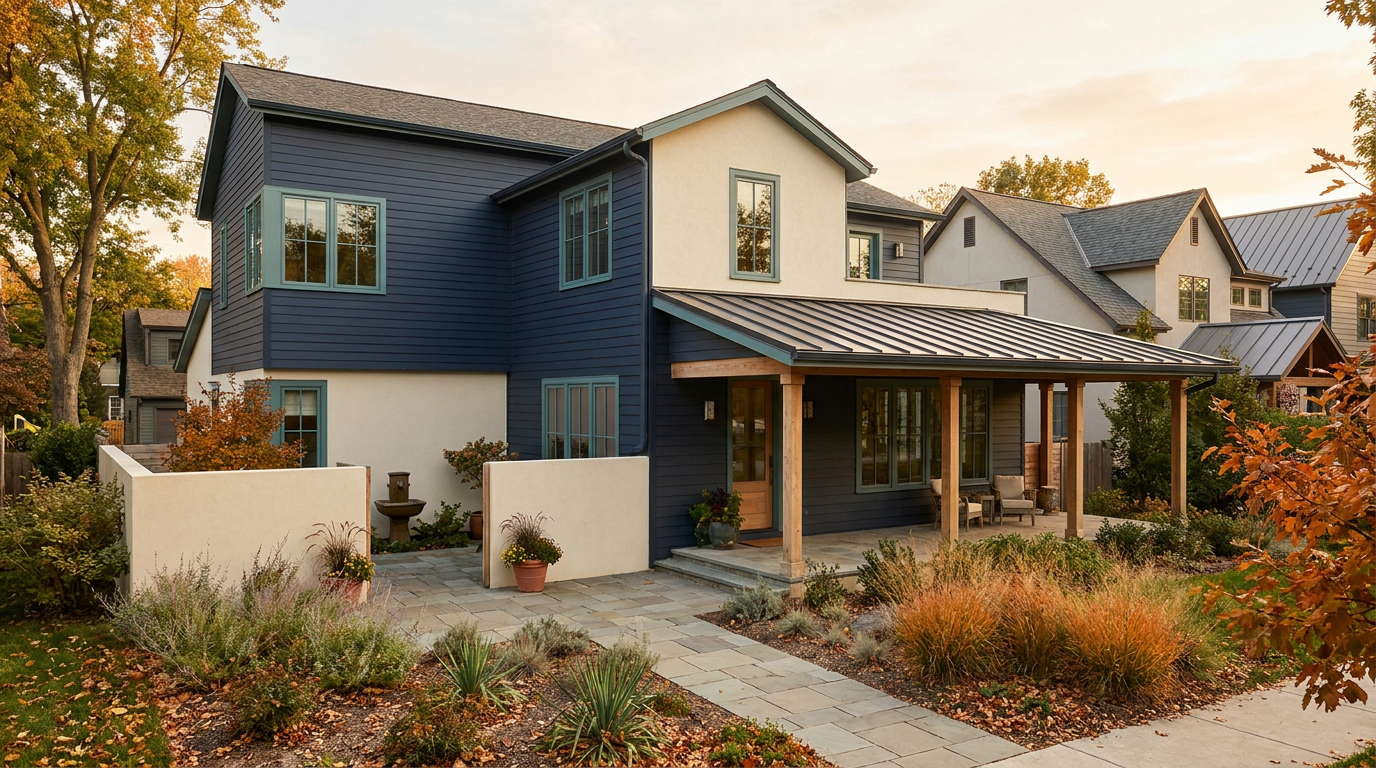
You bought in Prospect because it didn’t look like everywhere else. Now you’re getting ready to sell, and someone suggests making the house more neutral. Less color. Less personality. More like everything else. Maybe a few changes would help. But before you start sanding off the character, ask a better question: What will the next buyer actually value? Selling a home in Longmont’s Prospect New Town calls for a distinction between character and distraction. Preserve what makes the property compelling. Fix what makes it harder to understand or live in. Those are different jobs—and confusing them can get expensive.
Start With What Makes This Particular Prospect Home Work
Prospect’s varied architecture, mix of housing types, and neighborhood commercial spaces give it a different identity from a subdivision built around a handful of floor plans. That distinction matters. But a neighborhood name isn’t a complete sales argument. Buyers still need to understand the specific house they’re considering.
A porch, courtyard, rooftop space, or alley-access garage can shape how a property lives, where those features exist. So can the relationship between the kitchen and outdoor space, or the separation between bedrooms and gathering areas. Don’t stop at calling the house unique. Explain what its design lets someone do.
Before choosing improvements or a launch plan, identify the strongest everyday benefits and the genuine compromises. Does the outdoor space offer manageable upkeep but limited room for gardening? Does a dramatic window arrangement bring in light while requiring thoughtful privacy solutions? Clear answers are more useful than a string of architectural adjectives.
Price Against Real Alternatives, Not Just a Longmont Average
A broad Longmont price-per-square-foot figure can be a starting reference. It isn’t a pricing strategy for a distinctive Prospect property. Buyers compare more than size: housing type, condition, layout, outdoor space, parking, and ongoing ownership costs all affect their choices. An attractive average can hide some very unhelpful comparisons.
Start with relevant neighborhood sales and current competition, then widen the search thoughtfully if the closest examples are limited. A nearby sale with a different ownership structure or substantially different function may deserve less weight than its proximity suggests. Likewise, architectural similarity doesn’t erase a condition gap.
The question I’d want answered is simple: At our proposed price, what else can a buyer choose—and why would this home win that comparison? The answer might be design, usable space, condition, or a combination. If the only answer is that the seller spent a lot on it, we haven’t finished the pricing work.
Edit the Distractions Without Erasing the Architecture
There’s a difference between a distinctive house and a visually exhausting listing. An intentional architectural feature may deserve to stay exactly as it is. Crowded furniture, competing artwork, worn finishes, and six different focal points in one photograph usually deserve a harder look. The house should be the interesting part.
Prep should help buyers read the rooms. Show where a dining table fits. Make circulation through an unusual layout obvious. Use furniture at a scale that reveals usable space instead of swallowing it. If a room has a strong built-in feature, give it some breathing room rather than adding another layer of decoration.
Painting can help when condition or competing colors obscure the design. It isn’t automatically the best use of money. Before approving a project, ask what buyer hesitation it resolves. If there’s no clear answer, compare that expense with simpler repairs, better lighting, or doing nothing.
- Keep intentional features that support the home’s design.
- Repair visible wear that could be mistaken for broader neglect.
- Simplify furnishings so room size and function are easy to read.
- Check applicable requirements before changing exterior colors or features.
Show the Daily Experience, Not Just the Best Angle
Prospect’s streetscape can help tell the story, but the presentation needs to move beyond an appealing exterior. Buyers need to see how the home connects to its immediate surroundings. A property near commercial activity has a different experience from one on an interior residential stretch. Neither description should be treated as shorthand for better.
Show the actual outdoor space, entry sequence, and parking arrangement. Explain access accurately. If the garage is reached from an alley, make that understandable before someone arrives and circles the block. If a courtyard is the primary outdoor living area, show it furnished for a believable use—not staged like it seats the entire neighborhood.
Photography should attract attention; the rest of the presentation should answer the questions that attention creates. Include a clear floor plan when available, useful room descriptions, and accurate ownership information. If association dues or shared-maintenance responsibilities apply, organize those details early. Mystery is great in a novel. Less great when someone is deciding what to buy.
Choose a Selling Plan That Fits Your Outcome
A distinctive home doesn’t automatically require a long selling process, and it doesn’t automatically justify a premium. What it does require is a coherent plan: a defensible price, a clear explanation of its appeal, and a presentation that answers practical questions. Novelty alone won’t do that work.
If your priority is testing demand among a wider pool of buyers, an open-market launch with strong preparation may fit. If privacy or limited disruption matters more, a narrower approach may be worth evaluating—with a clear understanding that fewer buyers can mean less competitive pressure and less pricing feedback. Neither route is inherently smarter.
Write down what you need from the sale before spending on preparation: your timing constraints, tolerance for showings, willingness to make changes, and financial priorities. Then ask which decisions actually support those needs. For a Prospect seller, the goal isn’t to make the home appeal to everyone. It’s to make its value clear to buyers whose needs it fits.
Frequently asked
Should I repaint a colorful Prospect home before selling?
Not automatically. First distinguish intentional design from worn finishes or colors that make rooms difficult to understand. Targeted interior painting may help without changing the home’s identity. Before exterior work, check any applicable approval requirements.
What if there aren’t many comparable sales in Prospect?
Expand the comparison carefully rather than treating every nearby sale as equivalent. Consider housing type, condition, layout, parking, and outdoor space. Use current competition alongside closed sales to understand the alternatives buyers will actually weigh.
Does distinctive architecture mean my home should sell for more?
It can matter to buyers, but it doesn’t establish a premium by itself. Design has to be considered alongside function, condition, costs, and competing choices. The useful question is whether buyers see enough added value to support the proposed price.
What should I do first if I’m planning to sell in Prospect?
Write down your desired outcome, then walk through the property with two lists: features worth preserving and questions buyers will need answered. Build the pricing and preparation plan from those lists before hiring painters or ordering new finishes.