
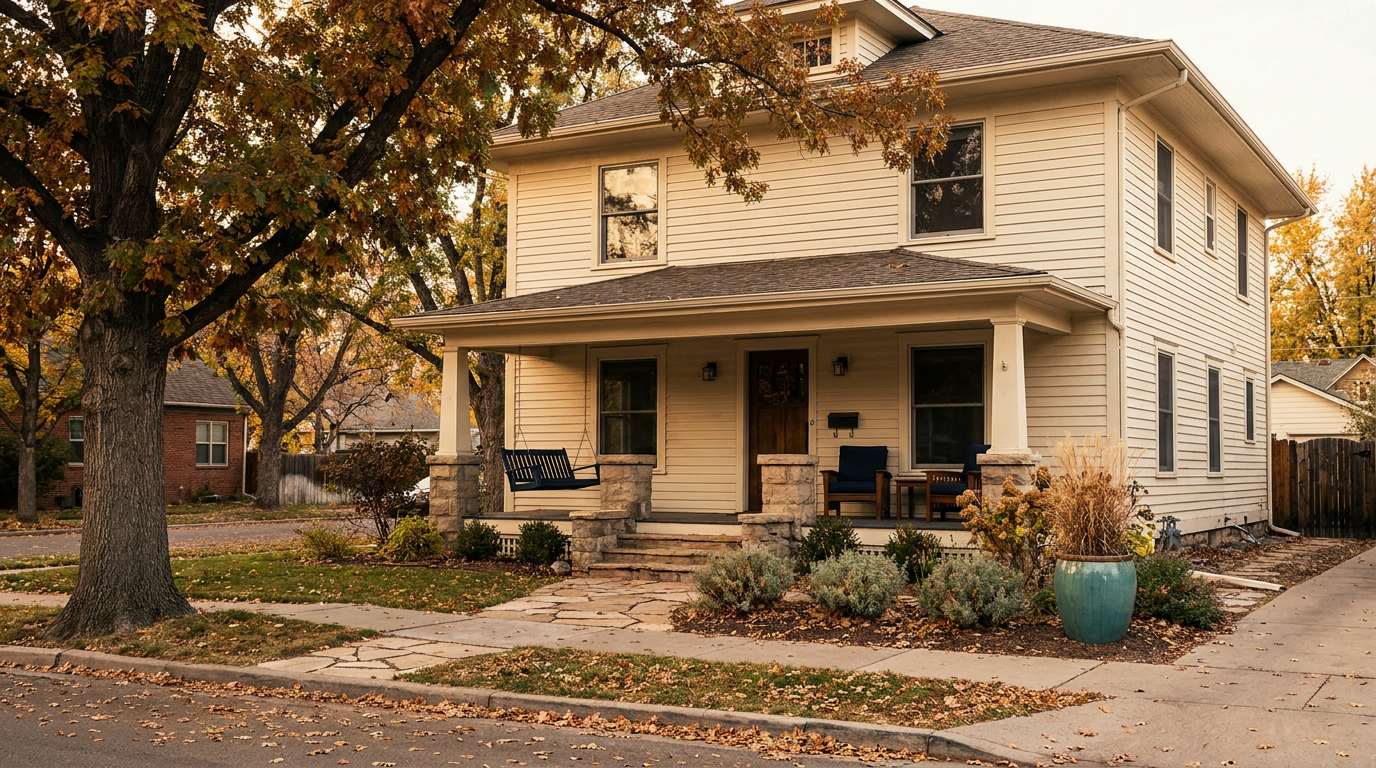
You love the front porch. You’ve made peace with the small closets. And you’re wondering whether buyers will appreciate your Old Town Longmont home—or hand you a renovation wish list. Both are possible. That’s why “it has character” isn’t much of a selling strategy. Character gets attention. A home that makes sense for someone’s daily life gives that attention somewhere to go. Before you replace the kitchen or price against the most charming sale nearby, separate what makes your home appealing from what makes it easy—or difficult—to live in.
Old Town Is a Starting Point, Not the Whole Story
Old Town Longmont carries a recognizable appeal: established streets, older homes, front porches, and a connection to downtown. But buyers aren’t purchasing a neighborhood label. They’re purchasing a particular house on a particular block. Two homes described as “Old Town” can offer very different experiences once someone parks the car and walks to the front door.
The relationship to Main Street matters. So does the actual route to Roosevelt Park or downtown businesses. Is the sidewalk continuous? Does reaching a favorite destination involve crossing a busier street? Is the porch a place someone would sit, or does it need a little separation from the sidewalk? These details tell a more useful story than “close to everything.”
Start by describing the location without adjectives. Name the nearby places, explain the access, and notice the tradeoffs. You don’t need every buyer to want this setting. You need the buyers who do want it to understand what they’re getting.
Show How the House Works, Not Just How It Looks
An older home may have beautiful windows and nowhere obvious to put a vacuum. Buyers can admire one while worrying about the other. Your job isn’t to distract them with charm. It’s to help them see how the house functions, without pretending every quirk is a feature.
Walk through the home as if you’ve never lived there. Where do coats land? Can a dining table fit without blocking a doorway? Is there a workable place for laundry, bikes, or a desk? Years of living somewhere can make an awkward arrangement feel normal. A buyer sees it fresh.
This is where thoughtful preparation earns its keep. Move the oversized cabinet that makes a room look unusable. Show the storage you actually have. Give an ambiguous room one clear purpose rather than three competing ones. A small room furnished well can explain more than a listing description calling it “versatile.” And if the home has a genuine limitation, let the pricing and buyer targeting account for it. A tiny closet does not become generous through creative writing.
Spend on Confidence Before Chasing a Makeover
Should you modernize before selling? Maybe. But a full cosmetic overhaul can spend money removing the very details that distinguish your home. It can also leave the buyer’s practical questions unanswered. Fresh cabinet paint doesn’t explain an aging roof or a window that won’t open.
Separate presentation work from condition questions. Cleaning, restrained touch-ups, better lighting, and a usable porch can improve the experience without reinventing the house. For known maintenance concerns, gather records and consider qualified professional input before deciding whether to repair, disclose, or account for the issue in your strategy.
If you’re considering exterior changes, don’t assume the Old Town label tells you what’s permitted. Confirm any property-specific designation or applicable requirements with the city before committing money. The seller’s question isn’t “How do I make this house look new?” It’s “What would help a buyer feel comfortable choosing this house?” Those can lead to very different shopping lists.
Make Parking, Alley Access, and Outdoor Space Clear
A garage, rear parking area, or alley connection can change how an Old Town property lives. So can a yard with a useful balance of gathering space and maintenance. But these features need explanation. Buyers shouldn’t have to guess how they would get groceries inside or where their vehicle would actually fit.
Check the details before photography and showings. An attractive gate isn’t evidence of a right to drive through it. A garage that holds your garden tools may not comfortably hold a buyer’s vehicle. Verify access questions through appropriate records and professionals rather than relying on how the space has always been used.
- Clear the route between parking and the entrance buyers would use.
- Provide useful garage dimensions instead of making broad fit claims.
- Verify the status of any access or parking arrangement you plan to advertise.
- Show the yard’s usable areas, not just its most photogenic corner.
Choose Comparisons—and a Selling Plan—with Discipline
The highest nearby sale is tempting. It may also be a poor comparison. In Old Town, similar square footage can hide meaningful differences in condition, layout, parking, additions, and outdoor utility. A beautifully renovated home with a functional garage may solve problems your property still asks buyers to solve.
Build the pricing discussion around those differences, not just the neighborhood name. Look at relevant closed sales and the alternatives buyers can currently choose. Then connect that evidence to your priorities. Are you willing to do targeted work and accommodate showings? Would avoiding preparation and uncertainty matter more than testing broader demand?
A prepared public launch may fit one seller. Exploring a cash or off-market option may fit another, with careful attention to the price and terms being traded for convenience. Neither choice makes the house more or less worthy. Before spending anything, write down three things a buyer will love and three things they’ll question. That’s the beginning of a strategy—not a renovation invoice.
Frequently asked
Do I need to remodel my Old Town Longmont home before selling?
Not automatically. Start with condition, function, and competing listings. Focused preparation may be enough. A larger renovation needs a clear reason tied to likely buyer response and your costs—not simply a desire to make everything match.
Does being in Old Town mean my home is historically designated?
The neighborhood description alone doesn't establish a property's designation. Check the specific address with the City of Longmont and confirm applicable requirements before planning exterior changes or making claims in your listing.
How should I price a home with charm but limited parking?
Compare homes with similar practical limitations, not just similar age or appearance. Parking is one part of the value picture alongside condition, layout, and location. Show buyers exactly what's available, then let the pricing reflect the complete property.
What's the best first step if I'm not ready to renovate?
Make two lists: what needs attention and what simply reflects your taste. Then review which items could affect buyer confidence or daily function. What can you clarify or improve without taking on a project you don't want?