
“We're close to CU. That should help us sell, right?” It might. But close to campus isn't one feature with one price tag. For one buyer, it means leaving the car at home. For another, it raises questions about parking, activity, and what the block feels like on a Saturday night. Both reactions are reasonable. If you're selling a home near CU Boulder, the job isn't to convince everyone that campus proximity is wonderful. It's to show exactly what your location offers, explain the tradeoffs, and price against homes buyers would genuinely consider instead. The university belongs in the story. It shouldn't have to carry the whole house.
Start With the Address, Not the Campus Label
“Near CU” covers a lot of ground. A home on University Hill, a property along Broadway, and a home near the eastern side of campus don't offer interchangeable experiences. Main Campus and East Campus aren't the same destination, either. A broad location label can attract attention while leaving the useful questions unanswered.
Start with the route someone would actually use. Which campus entrance is convenient? Does the walk involve crossing a major street? Is there a practical bike route? Where are the nearest transit stops? Describe what you can verify rather than letting a map pin do the explaining. Straight-line distance is a measurement, not a daily routine.
Then widen the picture beyond the university. Access to neighborhood shops, paths, and everyday errands may matter just as much. Your home should make sense to someone who likes the location but has no connection to CU. Otherwise, you're shrinking its appeal before buyers have even seen the kitchen.
Price the Whole Property, Not a Campus Premium
The tempting shortcut is to find another sale near CU and use it as proof of value. But two nearby homes can solve very different problems. One has usable off-street parking and a quiet outdoor space. Another has more bedrooms but less privacy. One is move-in ready; another asks the buyer to take on substantial work.
A useful pricing review separates location from the rest of the package. Compare property type, condition, layout, outdoor space, parking, and immediate surroundings. Look at closed sales, but also examine the active alternatives buyers can choose now. If the closest comparable isn't very comparable, geographic proximity doesn't rescue it.
Be careful with investment-oriented sales, too. A property purchased around documented rental income may not support the same pricing logic as an owner-occupied home. And an extra bedroom doesn't establish rental potential by itself. If rental use matters to the valuation, its legal status and financial assumptions need verification—not hopeful arithmetic.
Answer the Parking and Activity Questions Early
Buyers will wonder about parking and neighborhood activity. Leaving those subjects out doesn't make the questions disappear. It simply hands the explanation to whatever they notice during a short visit—or imagine afterward.
Build a small, factual location file before listing. Check current City of Boulder information where permits or restrictions apply. Describe a garage by how it functions, not just by what the old listing called it. If access is tight or a driveway is shared, get the relevant facts and documents straight. A buyer shouldn't discover a basic access limitation while trying to park for the inspection.
- Identify the property's actual parking spaces and distinguish them from public street parking.
- Verify applicable permit rules, restrictions, and what a new owner would need to confirm.
- Explain driveway or alley access accurately, including documented shared arrangements.
- Check CU's public event calendar when planning launch logistics and showing instructions.
Sell Everyday Use, Not a Generic Boulder Lifestyle
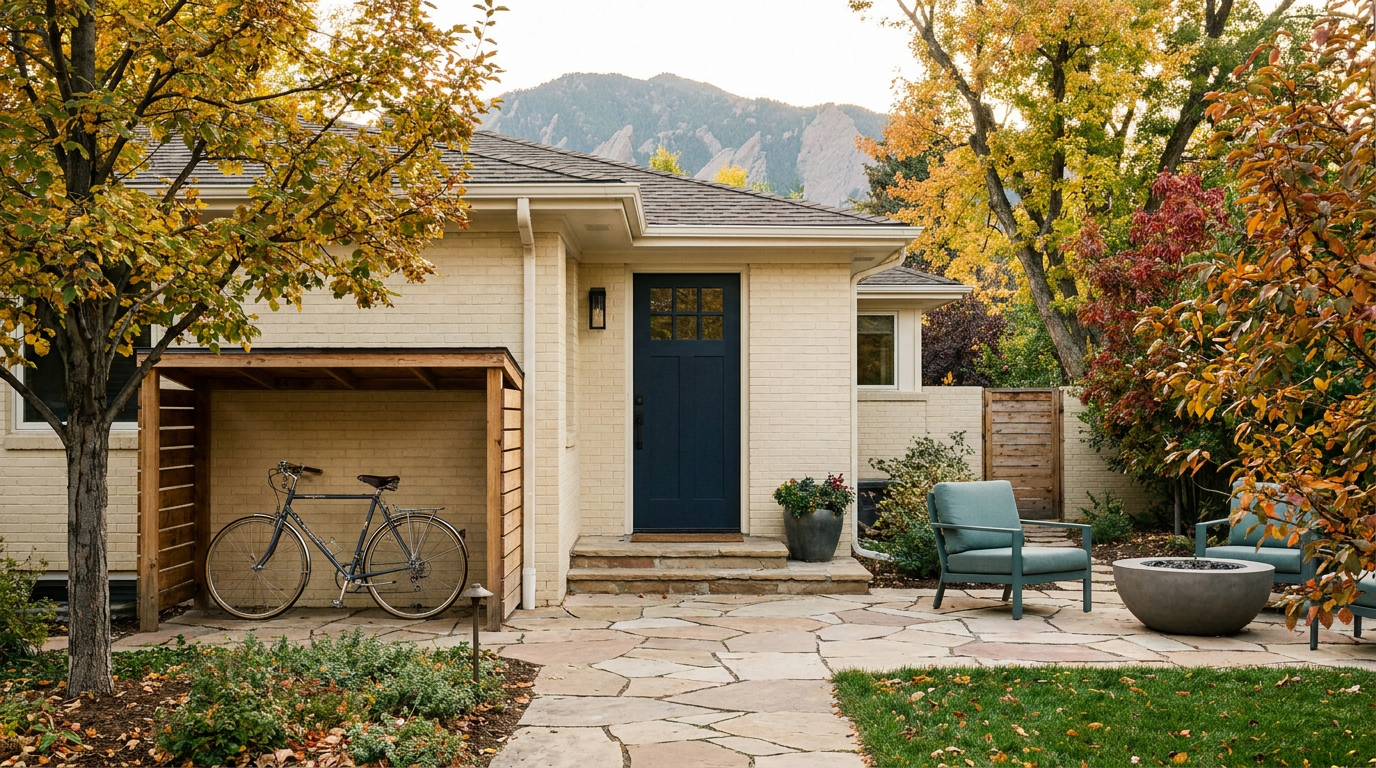
A photo of the Flatirons won't explain where the bicycles go. Beautiful context has a place, but the strongest presentation connects location to the way the property works. A secure storage area, a practical entry, a usable work space, or a private patio can make campus proximity feel useful rather than abstract.
Prepare around those strengths. Clear the entry so buyers can understand it. Make storage accessible. Photograph outdoor space in a way that accurately shows its relationship to neighboring properties. If the house has a genuinely flexible layout, show the flexibility without labeling every spare room as a potential rental bedroom.
Keep the language about features and uses, not who you think should live there. “Convenient access to Main Campus” is useful. Declaring a home perfect for a particular type of person is less useful and can create fair-housing concerns. You don't need to cast the buyer. You need to explain the house.
Choose a Launch That Fits Your Goal
Campus calendars can affect traffic, access, and the experience of a showing. They aren't a reliable pricing strategy. Graduation, a football weekend, or the start of a semester doesn't automatically deliver a motivated buyer for your particular home. Use the calendar to plan logistics, not to predict a windfall.
If your priority is testing demand broadly, an open-market launch can let buyers with different reasons for choosing Boulder evaluate the property. If privacy or limited disruption matters more, a narrower approach may deserve consideration, subject to applicable listing and marketing rules. The tradeoff is less opportunity to discover what competing buyers might offer. Neither route earns a gold star on its own.
Before choosing, write down your priorities: proceeds, timing, privacy, and how much disruption you can tolerate. Then ask one grounding question: if CU weren't mentioned in the first sentence, would the listing still explain why this home deserves attention? If not, the story needs more work—not more campus references.
Frequently asked
Does being near CU Boulder increase my home's value?
It can contribute to value when buyers find the access useful, but there's no universal campus premium. The exact block, property condition, parking, layout, and available alternatives all matter. Relevant sales and current competition provide a better starting point than distance alone.
Should I advertise my home as a potential student rental?
Don't lead with an unverified rental claim. Boulder has rental licensing and other requirements that may affect a property's use. Confirm current rules, property-specific records, and any association restrictions with the appropriate sources. Describe verified features without promising rental eligibility, occupancy, or income.
Should I wait for the university's busy season to list?
Not solely because the campus will be busy. More visitors don't necessarily mean more qualified buyers for your home. Weigh your readiness, competing listings, carrying costs, and preferred move timing. Then use the university calendar to reduce logistical headaches rather than expecting it to create demand.