
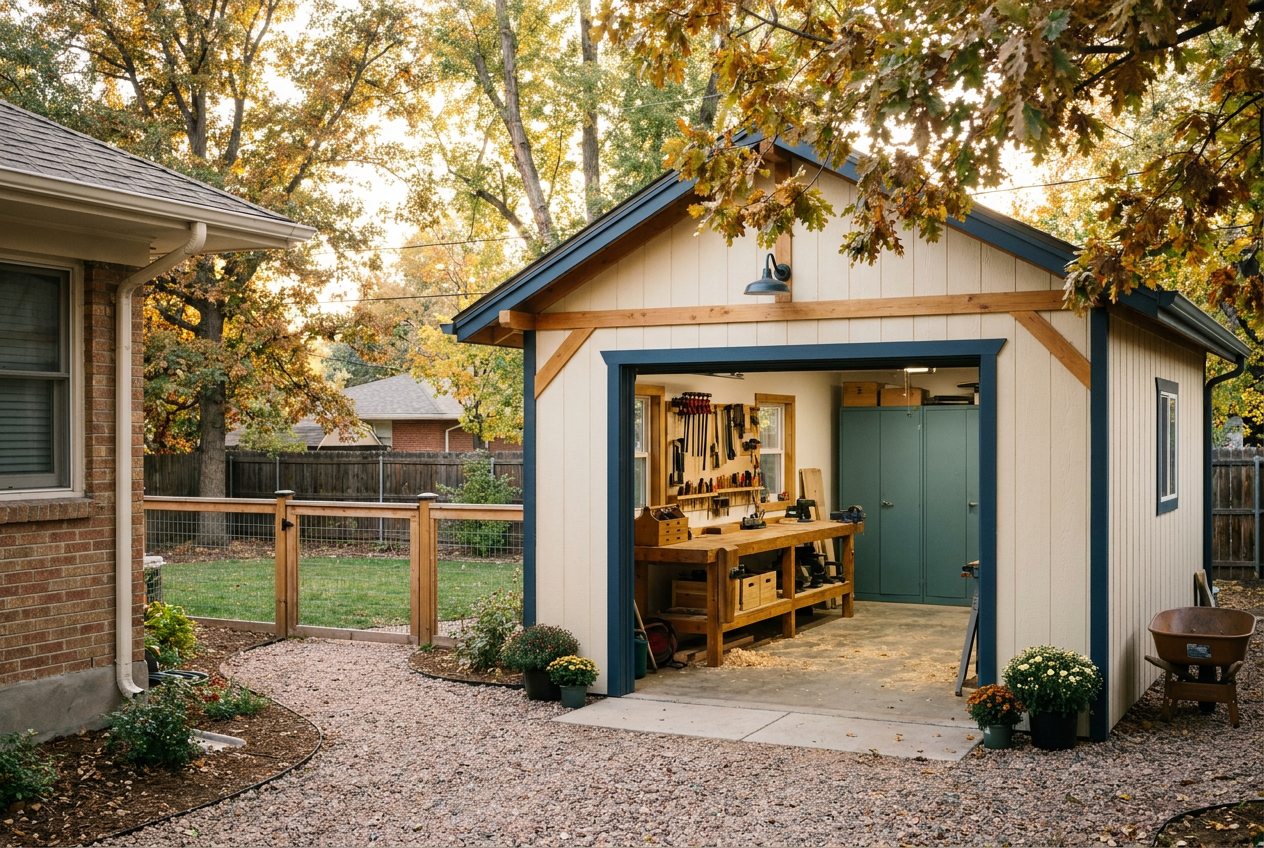
You built the workshop because you needed somewhere to actually do things. Restore furniture. Repair bikes. Make a spectacular mess without negotiating over the kitchen table. Now you're selling, and the question changes: Will someone pay more for it? Maybe. But not necessarily for the reasons you love it. A detached workshop can make a Longmont property stand out, or it can look like another building to maintain. The difference starts with a clear account of what the space does, what buyers can verify, and how it fits the whole property. Sell the useful space you have. Don't price an imaginary version of it.
A Workshop Is a Feature, Not a Buyer Profile
It's tempting to decide that your buyer will be another woodworker. That narrows the audience before you've even opened the door. The next owner might want bicycle storage, a pottery workspace, room for outdoor equipment, or a place to assemble projects that never quite fit in a garage. Those are different needs served by some of the same features.
In Longmont, the property around the workshop matters just as much. A building reached from an alley near Old Town presents differently from one behind a house with a wide driveway. Can someone move materials inside easily? Is there still useful parking? Does the workshop leave room to enjoy the yard? Buyers aren't purchasing the building in isolation.
Start with function rather than a label. Good light, practical access, usable electrical service, and separation from the house may matter more than your custom tool rack. The goal isn't to persuade every buyer to take up your hobby. It's to help the right buyers recognize something they already need.
Build a Fact Sheet Before You Build the Sales Pitch
“Fully equipped workshop” sounds useful until someone asks what that means. Does the equipment stay? Is the building heated? Was the electrical work permitted? A few unanswered questions can turn a strong feature into a source of uncertainty. Gather the records you have, then identify what still needs confirmation.
Create a short property-specific fact sheet. Keep documented facts separate from your own experience using the space. If records are missing or a proposed use raises questions, check with the City of Longmont's appropriate departments and qualified professionals rather than filling the gap with optimistic listing language.
- Dimensions, door openings, ceiling clearance, and the route from parking to the entrance.
- Known electrical, heating, ventilation, and plumbing features, supported by available records.
- Available permits, plans, warranties, and information about completed improvements.
- A clear list of equipment, benches, shelving, and other items proposed to stay.
Don't Turn a Workshop Into an Imaginary Apartment
Here's where enthusiasm can get expensive: “This would make a great rental.” Perhaps it could. But a detached building with power isn't automatically approved living space, an accessory dwelling unit, or a place where a buyer can operate a business. Those possibilities require their own review. They shouldn't be presented as existing benefits.
Describe the building's current, verified condition and use. Keep its area distinct from the home's finished living area in the marketing and valuation discussion. If a buyer asks about conversion, direct them toward the relevant city review and their own qualified advisers. A sink and a space heater don't settle the question.
Could you investigate a conversion before selling? Yes, if it serves your goal and you have time for the work. But don't assume you need to start a development project to sell the property well. For a seller seeking a simpler move, documenting the existing workshop may be more useful than spending months chasing a different use.
Price the Whole Property, Not Your Receipts
Your construction costs tell the story of what you spent. They don't establish what the next owner will pay. A buyer may appreciate the building while placing little value on specialized fixtures. Another may see exactly what they've been searching for. That's why attaching a fixed premium to “workshop” is shaky pricing.
Look at the strongest available Longmont comparisons for the house, lot, condition, and location first. Then examine properties with relevant extra utility: detached garages, substantial storage, or documented workspace. They won't all be direct substitutes. The question is what the evidence supports—not which sale gives us permission to add the largest number.
Your outcome matters here. If you have flexibility, a market launch that makes the workshop easy to understand may help reach buyers who value it. If privacy or a simpler transaction matters more, a limited or off-market approach might fit, but it offers less evidence of what broader demand could produce. Neither route makes an unsupported premium more reliable.
Show the Space Working Without Making It a Project
You don't need to erase every sign of use. A workshop should look useful, not like a spare room wearing safety glasses. Clear the floor, improve visibility, address known safety concerns with appropriate help, and store chemicals and sharp tools safely. Buyers need to understand the space without stepping over your next three projects.
Photograph the interior and the connection to the rest of the property. Show the entry, access route, and yard—not just a close-up of impressive machinery that may leave with you. A measured layout can help buyers understand where their own equipment might fit. Be explicit about what's included so the photographs don't create expectations the sale won't meet.
Before spending another dollar, ask: What does a buyer need to see or verify to understand this building's value? Start there. A clean route, clear documentation, and honest presentation may do more for your sale than another upgrade chosen for a hobby you're taking with you.
Frequently asked
Does a detached workshop add value to a Longmont home?
It can, but there's no automatic premium. Condition, access, documented improvements, remaining yard space, and buyer demand all matter. The workshop may strengthen a buyer's preference without returning its full construction cost.
Should I leave my tools and equipment when I sell?
Only if that fits your plans and the transaction. Don't assume buyers want everything. Identify what you intend to remove and what you propose to include, then have those details addressed clearly in the sale documents.
Should I finish my workshop before listing the house?
Not automatically. Correcting a safety concern is different from adding finishes a buyer may not value. Compare the cost and disruption with the likely benefit. First ask whether the space needs an upgrade—or simply needs to be cleared, documented, and shown properly.