
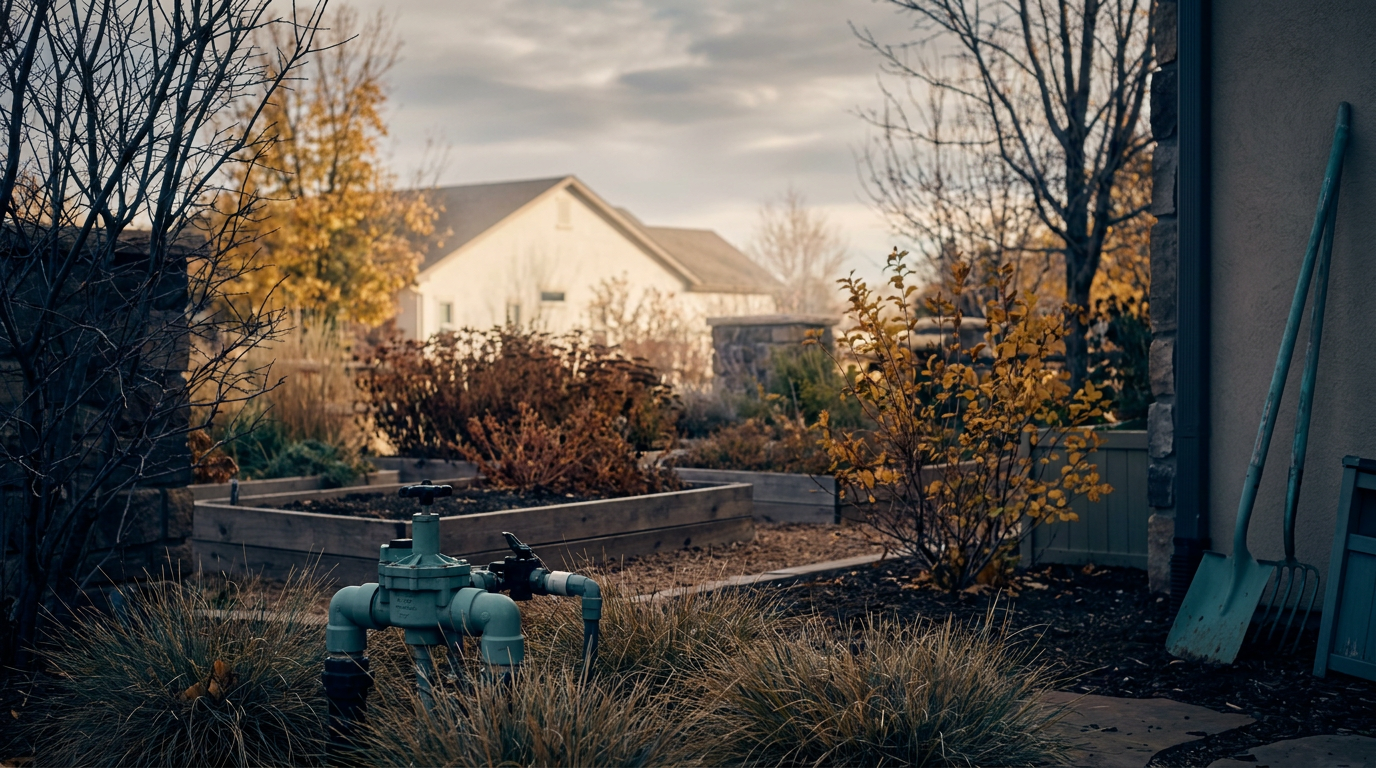
“The irrigation water comes with the house. That's a good thing, right?” It can be. But a buyer may hear something different: another system to learn, another bill to understand, and something vaguely complicated involving a ditch. If you're selling a home in Longmont with irrigation water, the opportunity isn't simply to mention it in the listing. It's to explain what the property actually has, how it works, and what a buyer would be taking on. A useful feature becomes more compelling when buyers don't have to guess. That's the argument: make the benefit understandable before asking someone to pay for it.
First, identify what you're actually selling
Longmont's agricultural history still shows up in its irrigation ditches and the water arrangements associated with some properties. But a ditch nearby doesn't establish that a homeowner can use its water. And “irrigation included” isn't a complete description. One property may have ditch-company shares. Another may receive nonpotable irrigation through a neighborhood system. Those aren't interchangeable arrangements.
Before we write the listing, we need to know what supports your property's access. Start with the documents you received when you bought, current bills or assessments, and information from whoever administers the system. Then have the appropriate professionals confirm ownership and any transfer requirements. Your recollection is a starting point, not the finished file.
This isn't about making a simple sale complicated. It's about discovering whether the simple story is accurate. A buyer who learns something different halfway through the transaction may question more than the water.
Translate the water into a benefit buyers can evaluate
“Ditch shares” tells a buyer what an asset might be called. It doesn't explain what that asset does for the property. Does the water currently serve established landscaping, a garden, or another permitted use? How does it reach those areas? What equipment is involved? Explain the actual setup, not the most ambitious possibility someone could imagine.
For a Longmont property with a substantial garden, irrigation access may be part of what makes the outdoor space practical. For a buyer who wants very little yard work, the same setup may feel like an obligation. Neither reaction is wrong. The job is to connect the feature with buyers who value it, without pretending everyone will.
Avoid claims such as “free water,” “unlimited supply,” or guaranteed savings. Assessments, equipment, electricity, maintenance, and availability can all matter. A specific, documented benefit is stronger than a sweeping promise—and much easier to stand behind.
Build a short owner's guide, not a homework assignment
You've probably learned the system a little at a time. A buyer is trying to understand it while also evaluating the roof, the kitchen, and their monthly payment. Don't hand them a stack of unfamiliar paperwork and call that clarity. Create a short overview, backed by the relevant documents.
Keep it practical. Describe the current arrangement, identify the administrator, and explain the equipment that serves the property. Separate your operating notes from anything that needs formal confirmation. “Here's how I've used it” and “Here's what you're entitled to receive” are different statements.
A useful overview should let buyers ask better questions. It doesn't replace their review or advice from a qualified water-rights attorney when ownership or transfer is involved. It simply prevents every showing from starting at square one.
- Source and administrator of the irrigation supply.
- Documents supporting the property's access or ownership.
- Recent assessments, service charges, and known maintenance expenses.
- Operating instructions, seasonal procedures, and known equipment issues.
- Questions about availability or transfer that still need confirmation.
An October listing needs a different demonstration
By late October, an irrigation system may already be shut down for the season. That doesn't make it impossible to explain. It does mean we shouldn't rely on a buyer seeing it operate during a showing. The marketing and supporting information need to do a little more work.
Gather recent growing-season photographs that accurately show the landscaping or garden served by the system. Label their timing so buyers know they're looking at seasonal context, not current conditions. A simple property sketch can also help identify equipment and irrigated areas. Keep it clear that the sketch isn't a survey or a statement of legal rights.
If equipment can't be evaluated while it's winterized, say so. Discuss appropriate review options with the professionals involved rather than implying that last summer's performance settles every question. There's no need to restart a winterized system just to create a sales moment. Useful evidence beats theater.
Price the whole property, not your favorite feature
You may have spent years appreciating this water access. That doesn't automatically create a dollar-for-dollar premium in the home's price. The contribution depends on the documented arrangement, reliability and limitations, costs, property use, and available alternatives. Comparable sales help only when we understand what those properties actually included.
If the water interest may be handled separately from the real estate, get qualified guidance before advertising what conveys or considering a separate sale. Don't assume that separating the pieces improves your total outcome. It could change how useful the property is to the next owner, and the transaction details matter.
Your preferred outcome should guide the strategy. If certainty matters most, resolving ownership and transfer questions early may be more useful than a splashier launch. If attracting buyers who appreciate the outdoor setup is the priority, show how it functions. Before choosing a launch date or price, answer one question: can a buyer understand what they're getting without having to take your word for it?
Frequently asked
Does irrigation water automatically transfer with my Longmont home?
Don't assume it does. The answer depends on the arrangement and its governing documents. Ditch-company shares and neighborhood irrigation service may involve different requirements. Have the relevant administrator and qualified professionals confirm what can convey and how before the listing describes it as included.
Will irrigation water increase my home's sale price?
It may contribute value, but there isn't a universal premium. Buyers will weigh its usefulness against costs, maintenance, and limitations. Evaluate the home and water arrangement together using relevant property comparisons, rather than adding an unsupported amount to the asking price.
Should I wait until the irrigation system is running to list?
Not necessarily. Your moving plans and the property's overall readiness matter too. Seasonal photos, operating records, and clear documentation can help explain a dormant system. The practical next step is to identify what buyers can verify now and what would require a later or specialized evaluation.