
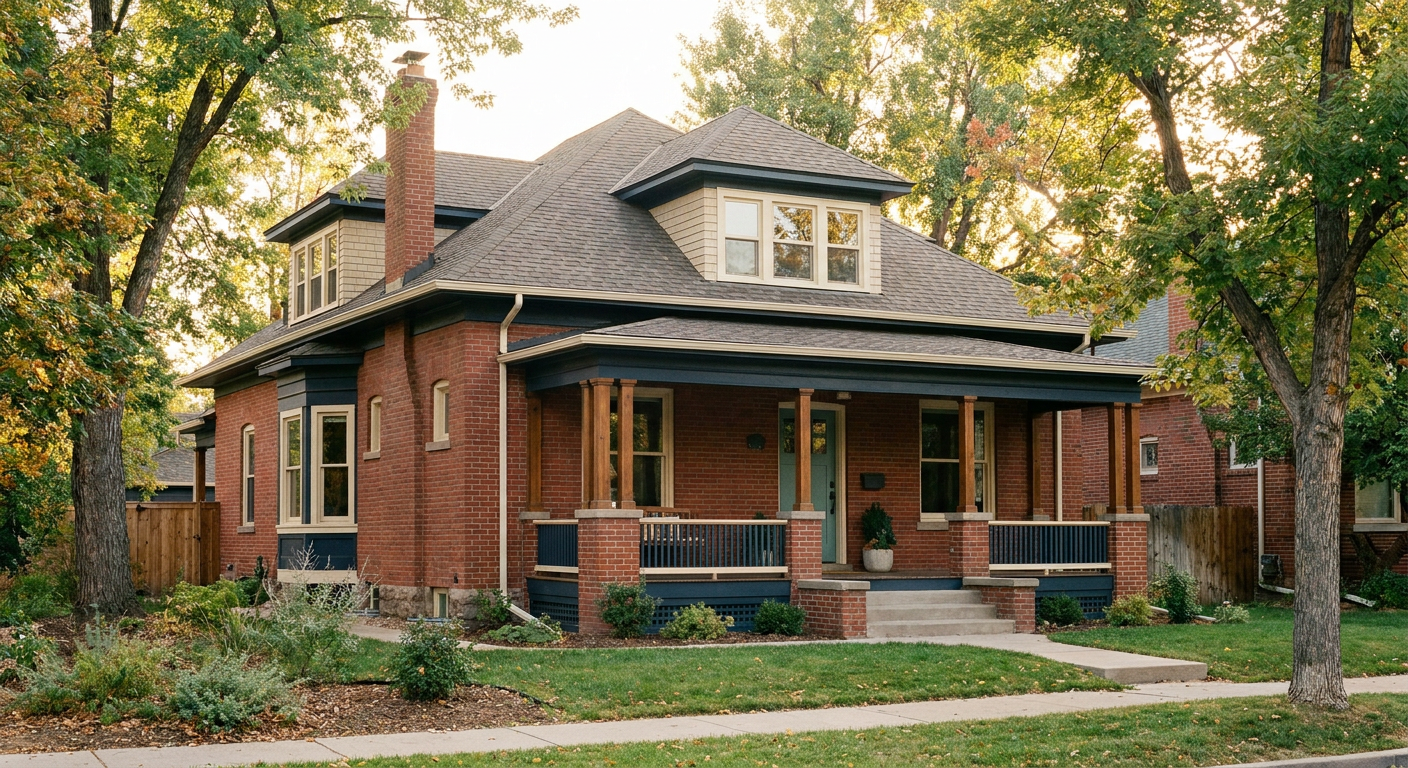
A Denver home with original woodwork, a generous front porch, and a century of history has something a newer property cannot reproduce. But character does not answer every buyer question. What has been updated? What needs attention? Can the next owner change the windows, add a garage, or expand the house? Selling a historic home in Denver means separating architectural appeal from uncertainty. The goal is not to make an old house look new. It is to explain what makes the property valuable, document what you know, and avoid making claims about improvements or restrictions that have not been verified.
Start With the Address, Not the Word “Historic”
In Denver, “historic” can describe a home's age, architectural style, or formal designation. Those are different things. A house may be an individually designated Denver landmark, sit within a local historic district, have a state or national designation, or simply be old. The distinction matters because different designations can have different implications for proposed work.
Neighborhood names are not enough. Baker, Capitol Hill, and Park Hill contain older housing, but an address in one of those neighborhoods does not establish a property's designation. Check the specific address through Denver's official landmark resources and confirm questions with Landmark Preservation staff. If district boundaries or the property's status are unclear, resolve that before publishing the listing.
Then describe the status accurately. “Original architectural details” is not the same as “designated landmark.” Buyers deserve a clear explanation, not a romantic label that leaves them guessing about future ownership.
Build a Property File That Connects Character and Condition
Historic homes often contain several generations of work. A remodeled kitchen may sit above older plumbing. A newer furnace does not establish the condition of the electrical system. Buyers need to understand the house as a whole, not just the rooms that photograph well.
Gather records that distinguish original features, completed improvements, and unresolved questions. For a Denver property, that might include roof documentation, sewer-scope reports, boiler service records, masonry repair invoices, and permits or approvals for past alterations. Share the scope of the work, not just the completion date. “Electrical updates” should not imply a complete rewire unless the documentation supports it.
Missing paperwork is not a reason to invent certainty. Identify what is available and what remains unknown. A listing strategy should account for those gaps rather than leaving buyers to discover them after they are under contract.
- Create a dated improvement list with the scope of each project.
- Collect available permits, preservation approvals, invoices, and warranties.
- Separate maintenance records from documentation of major replacements.
- Flag historical claims that need verification before marketing.
Choose Preparation That Respects the House
The wrong preparation can spend money while removing the feature a buyer wanted. Painting intact natural woodwork, replacing distinctive hardware, or covering original materials may flatten the home's appeal. That does not mean every old feature is valuable or every replacement is a mistake. It means preparation should start with an assessment, not a standard makeover checklist.
For a locally designated property, check with Denver Landmark Preservation before committing to exterior work that may require review. Windows, masonry, porches, and additions deserve particular attention. Do not assume that a contractor's availability means the proposed work is approved, or that a neighbor's project establishes what is possible at your address.
Focus first on clean presentation and clearly understood condition issues. Denver's sun, freeze-thaw cycles, and occasional hail make exterior maintenance worth discussing with qualified professionals. The aim is to present a cared-for house without erasing its identity or launching a restoration project solely for the sale.
Price the Actual House, Not an Imagined Restoration
A historic property can be difficult to compare because square footage tells only part of the story. Architectural integrity, functional layout, ceiling height, parking, lot usability, and the quality of updates all influence buyer decisions. Two similarly sized houses a few blocks apart may offer very different ownership experiences.
Start with nearby sales, then examine the differences carefully. A restored home with documented system upgrades is not interchangeable with one that has cosmetic updates and uncertain infrastructure. Likewise, a newer house with an open floor plan may compete for some buyers without being the best direct comparison.
Original details can support appeal, but they do not create an automatic premium. Neither does the seller's restoration budget establish market value. Build the pricing discussion around the property's condition, credible alternatives, and the trade-offs a buyer will see. If the comparable sales are imperfect, acknowledge that uncertainty rather than hiding it behind a confident number.
Market the Details and Answer the Ownership Questions
Good marketing gives buyers reasons to care and enough information to evaluate the house. Photograph the entry sequence, millwork, fireplace surround, stair details, and the relationship between rooms. Include a clear floor plan so buyers can understand circulation and furniture placement instead of trying to reconstruct the layout from photographs.
The practical details belong alongside the architecture. Explain available parking, storage, heating and cooling, and documented improvements. Avoid promising that a buyer can add an accessory dwelling unit, alter the facade, or qualify for preservation incentives. Those possibilities need property-specific confirmation from the appropriate agencies and professionals.
Before launch, prepare straightforward answers to the questions the house is likely to raise. When something requires further research, say so. Selling a historic Denver home is not about finding someone who will overlook its age. It is about helping buyers understand its character, condition, and responsibilities well enough to make an informed decision.
Frequently asked
Does historic designation make a Denver home harder to sell?
Not automatically. Some buyers value the architecture and neighborhood continuity; others prioritize flexibility. The property's condition, price, and applicable requirements matter. Clear information helps buyers evaluate the fit without relying on assumptions.
Should I replace original windows before listing?
Not by default. Assess their condition, repair options, buyer relevance, and any applicable preservation review first. Replacement can be expensive and may change the home's character. Get property-specific guidance before making that commitment.
Can I advertise potential additions or preservation tax credits?
Avoid presenting either as assured. Proposed alterations and incentive eligibility depend on specific requirements and approvals. Verify any marketing statements with the appropriate authorities, and direct buyers to qualified professionals for their own plans.
What if I cannot find records for older renovations?
Look for available city records and contact prior contractors when practical. Be clear about what you can document and what you cannot. Discuss how to handle gaps with your listing professional rather than describing undocumented work as approved.