
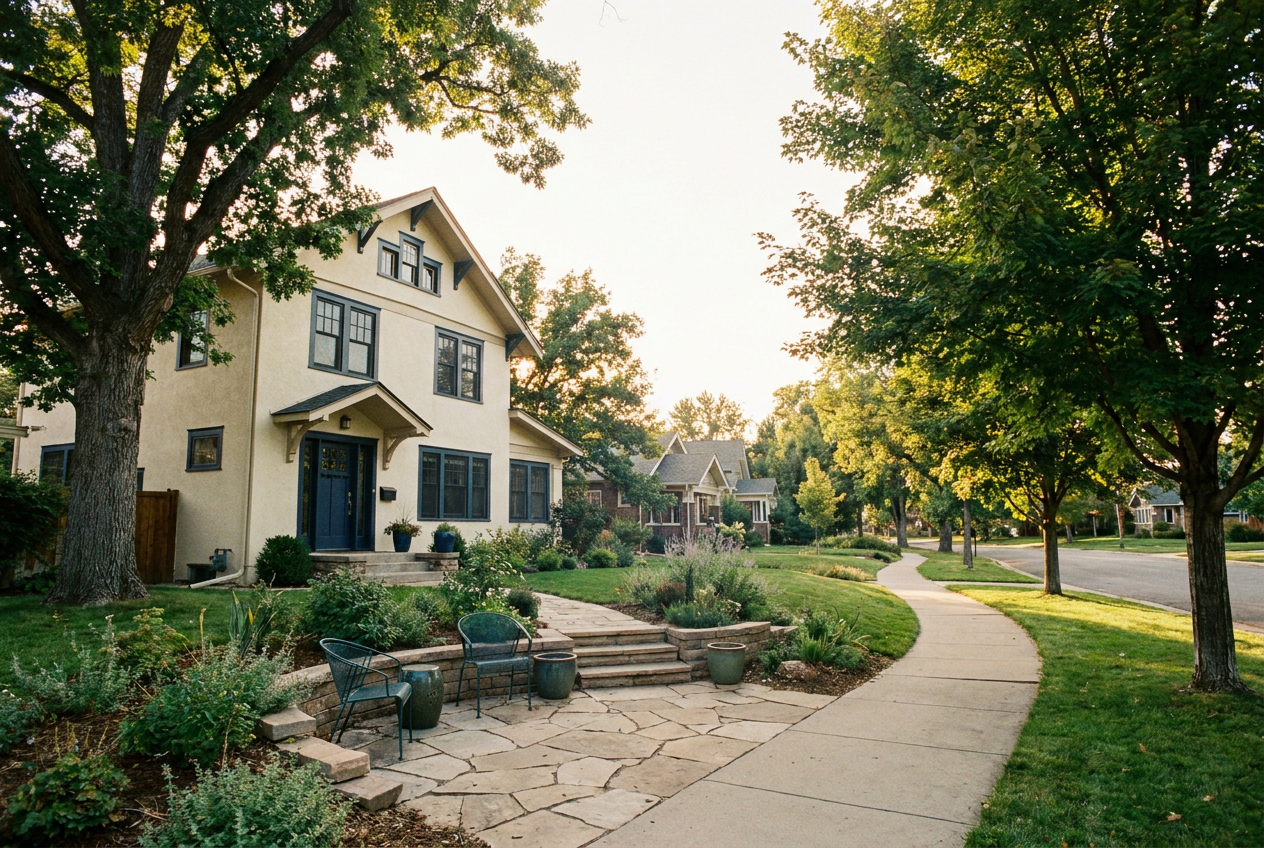
Longmont is not one interchangeable housing market, and it should not be marketed as a less expensive version of Boulder. A home near downtown, a property near McIntosh Lake, and a house on the eastern side of town can offer very different day-to-day experiences. Buyers notice those differences, even when listings fail to explain them. For Longmont home sellers, the opportunity is to make the home's location understandable—not just attractive in photographs. That means identifying which nearby features genuinely matter, showing how they connect to the property, and being straightforward about trade-offs. The goal is not to make every buyer interested. It is to give interested buyers a clear reason to take the next step.
Start With the Longmont Your Home Actually Offers
A city name gives buyers a starting point. It does not tell them what living at your address would feel like. Near downtown and Old Town, the story may involve an established street grid, mature landscaping, and access to Main Street businesses. In other areas, the appeal may be a newer floor plan, nearby open space, or a particular connection to regional roads. Those are different selling stories, not a ranking of neighborhoods.
Walk through the location as if you had never lived there. Where is the practical grocery stop? Which park entrance would someone actually use? Does reaching a nearby destination require crossing a major road? Sellers often overlook these details because they have become routine. Buyers relocating within the Front Range—or arriving from outside Colorado—may not know them at all.
Choose two or three location advantages you can explain precisely. A focused description of the property and its surroundings is more useful than a long list of attractions scattered across Longmont.
Turn Outdoor Amenities Into Useful Information
McIntosh Lake, Union Reservoir, and the St. Vrain Greenway can help buyers understand Longmont's outdoor appeal. But naming an amenity is only the beginning. A seller should distinguish between having a lake nearby, having a convenient route to it, and having a view from the property. Those benefits are not interchangeable, and the marketing should not blur them.
Check the route from the house to the relevant access point. Note whether it uses neighborhood streets, sidewalks, or a trail connection. Confirm current access information before describing a route as open or convenient. For reservoir recreation, verify current rules rather than implying that every activity is available without restrictions or fees.
Then connect that information to the house itself. An organized garage might demonstrate practical gear storage. A clean patio can show how the outdoor space functions after a day outside. You do not need to stage an entire Colorado lifestyle. You need to show useful features and accurately explain what is nearby.
Describe Regional Access Without Selling a Commute
Longmont buyers may be comparing access to Boulder, other northern Front Range communities, or destinations along the I-25 corridor. Main Street/US 287 and the Diagonal Highway/CO 119 are meaningful reference points, but an address alone does not establish an easy commute. The starting location, destination, time of day, and road conditions all matter.
Avoid unsupported claims such as “minutes from everything” or “an effortless Boulder commute.” Instead, explain the relevant road connections and let buyers evaluate their own trips. If proximity to transit is part of the listing, confirm the stop location and current service information. A nearby stop does not automatically mean a convenient route to the buyer's destination.
Remote-work features can also be relevant. Longmont's municipal fiber service, NextLight, is a useful local detail, but verify availability and the property's current setup before making claims. Pair accurate service information with a well-presented workspace. Describe the room's light, layout, and separation from busier areas rather than promising a particular internet experience.
Make the Property's Setting Clear Before Showings
Location includes trade-offs. A home close to activity may have more street noise. A property near open space may have less screening in winter. Mature trees can add character while also affecting light and maintenance. Trying to photograph or write around every drawback can create a mismatch between the listing and the showing.
Colorado's changing seasons make accuracy especially important. Leaf-on photographs can look different from the view buyers see later in the year. If you use earlier seasonal photos, identify them clearly and include current images. Where a property is near a waterway or low-lying area, proximity alone does not establish flood risk. Gather available property records and point buyers toward official parcel-level resources and appropriate professionals rather than making blanket assurances.
Before photography, build a small location information file. It keeps descriptions consistent and gives your agent something more useful than a collection of flattering adjectives.
- A simple map showing the property and relevant destinations.
- Verified routes to nearby parks, trails, or recreation access points.
- Current information supporting internet or transit claims.
- Notes on property boundaries, adjacent land, and any views being advertised.
Use Location to Guide Presentation, Not Just Copy
Once you know the home's strongest location story, make the presentation support it. If an established setting is a major advantage, clear overgrown landscaping enough to show the house and usable yard. If a patio's relationship to adjacent open space matters, photograph that connection honestly. If downtown access is a selling point, include a small number of clearly labeled area photographs—not so many that buyers struggle to find the actual house.
Your agent should also explain which properties buyers are likely to compare with yours. Similar square footage across Longmont does not always mean a similar buying decision. Setting, age, layout, condition, and access can change the comparison. The answer is not to assign an automatic premium to a neighborhood name; it is to understand the alternatives buyers can actually choose.
Before going live, ask one plain question: could someone unfamiliar with Longmont understand why this particular address deserves a visit? If the answer depends on phrases like “great location” or “close to everything,” the work is not finished. Clear details make a stronger case than bigger adjectives.
Frequently asked
Should I market my Longmont home as an alternative to Boulder?
Regional access can be part of the story, but it should not replace the home's own appeal. Lead with the property, its immediate surroundings, and useful Longmont amenities. Buyers comparing multiple cities can then decide how those benefits fit their priorities.
Will being near a lake or trail increase my sale price?
It may influence buyer interest, but proximity does not establish a specific premium. Actual access, views, privacy, condition, and competing listings all matter. Your agent should evaluate comparable properties rather than treating a nearby amenity as a guaranteed price adjustment.
Should my listing include neighborhood photos?
Yes, when they explain a relevant location benefit. Label them as area amenities so buyers do not mistake them for property features. Keep the house central to the presentation. A few accurate, useful images are better than an oversized gallery of local attractions.